
Legacy Modernization
We help you update applications that are difficult to maintain or change. We first learn the business rules they contain, then decide with your team what to preserve and what to improve.
Find out what needs to change
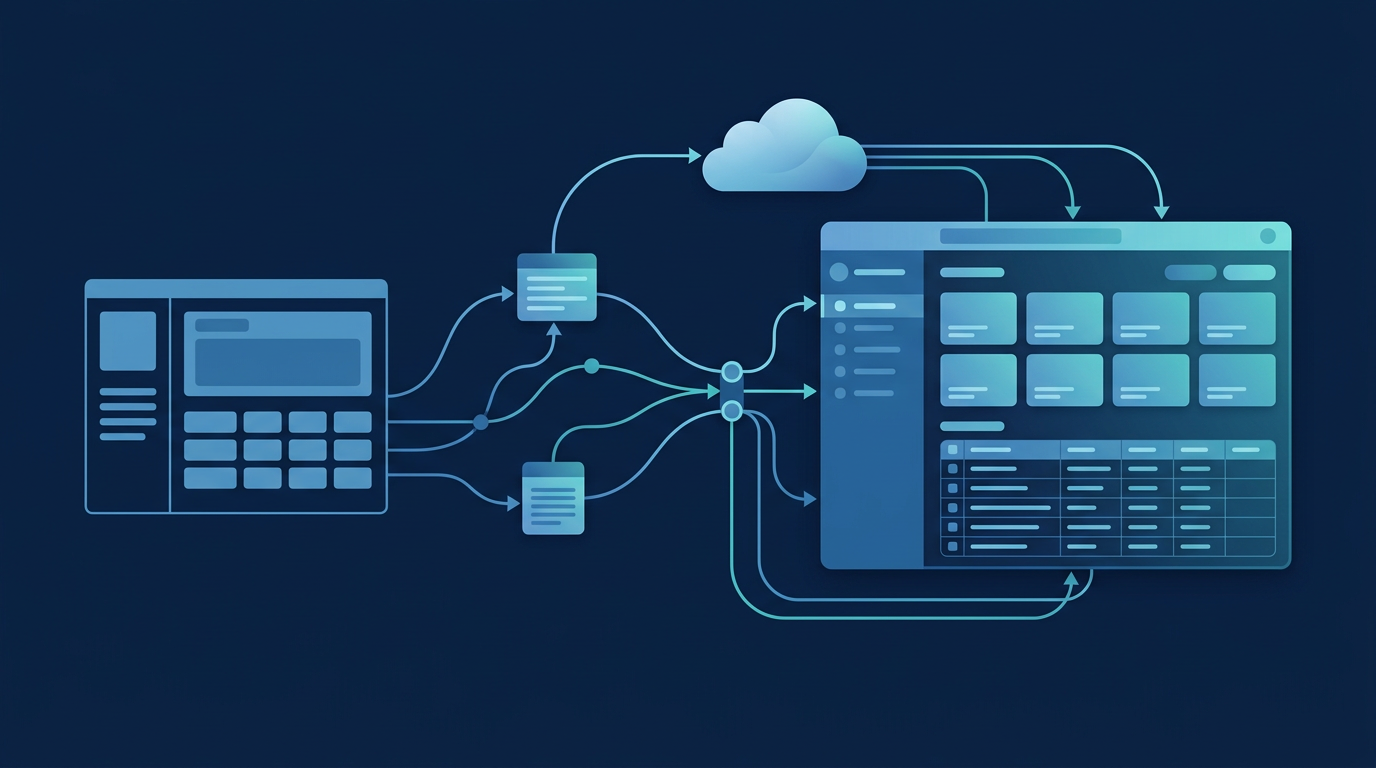
We look at the code, data, workflows, and connected systems before recommending a change. That helps separate behavior the business still needs from workarounds it has outgrown.
Business knowledge
We work with your team to document the rules, workflows, and data the application must preserve.
Replacement design
We design the updated application, including its screens, integrations, and access, so your team can maintain it.
Data and transition
We plan how data will move and be checked, how old and new systems will work during the transition, and how cutover and recovery will be handled.
From assessment to release
- Discover: inventory the existing application and agree the outcomes.
- Design: define the replacement and transition.
- Build: implement in reviewed increments.
- Validate: test business behavior, migrated data, and integrations.
- Transition: release with clear operating ownership.
Our architects lead the work and review the results. AI assists coding, documentation, and testing.
Evidence and handover
We document the application and its business rules, provide the updated source and configuration, and record the test results. Migration and cutover instructions support the handover.
Ownership from the start
We settle source ownership, repository access, reuse rights, and support arrangements early. Your team gets the deployment and operating guidance needed to take over.
Questions to discuss early
Do we need the original source code?
Source code helps, but documentation and people who know the application matter too. If information is missing, we need more investigation before recommending the changes.
Can the current application stay in use?
A phased transition may be appropriate. Coexistence, synchronization, validation, and cutover responsibilities must be designed together.
How do we know important behavior survived?
Define acceptance criteria with business owners and use workflow tests, data reconciliation, and integration checks as evidence.
Is every legacy system a rebuild candidate?
No. Assessment may identify a smaller change, a platform move, or a new application around the existing system.